Back to All Posts
Winter Storm-Ready Home Electrical Checklist | Nashville TN
Safety July 10, 2026 Evolution Electric Team

Winter Storm-Ready Home Electrical Checklist | Nashville TN

# Winter Storm-Ready Home Electrical Checklist for Nashville, TN

Winter in Middle Tennessee can swing from mild to ice overnight—and that’s when electrical problems show up fast. In Nashville, winter storms often bring a mix of freezing rain, sleet, and heavy wind that can knock out power lines, flood low spots, and overload home electrical systems as heaters, space heaters, and sump pumps run nonstop.

This practical guide is a how-to checklist designed for Nashville homeowners—whether you’re in East Nashville, Bellevue, Donelson, Green Hills, Antioch, Germantown, The Nations, or nearby Davidson County communities. You’ll learn what to inspect, what to test, what to avoid, and how to coordinate with Nashville Electric Service (NES) if a storm hits.

---

Why Nashville winter storms stress your electrical system

Nashville storms tend to create a few predictable electrical hazards:

  • Ice loading + wind: Ice weighs down overhead service drops and tree limbs, causing line damage and repeated outages.
  • Power surges and “blinks”: Quick interruptions can damage electronics, HVAC controls, and sensitive appliances.
  • Higher electrical demand: Heat pumps, emergency heat strips, space heaters, and dehumidifiers can push older panels and circuits beyond capacity.
  • Water intrusion: Melting ice and clogged gutters can seep into exterior outlets, meter bases, and basement electrical areas.

If your home has an older electrical system (common in parts of Sylvan Park, Inglewood, and older East Nashville homes), winter is when weaknesses become urgent.

---

The Nashville winter storm electrical checklist (do this before the freeze)

1) Test your GFCIs (especially exterior, garage, basement)

GFCI outlets protect against shock where moisture is common—exactly the conditions winter storms create.

Where to test in Nashville homes:

  • Outdoor receptacles (front porch, back patio, under eaves)
  • Garage outlets
  • Basement outlets
  • Kitchen and bathroom outlets
  • Near sump pumps or crawlspace dehumidifiers

How to test (2 minutes):

  • Press TEST: power should shut off.
  • Press RESET: power should return.

Warning signs:

  • Reset won’t latch
  • Outlet is warm, cracked, or buzzing
  • You see moisture or corrosion in the cover

If a GFCI won’t reset, don’t “force it.” Moisture intrusion or a failing device is common during freezes.

---

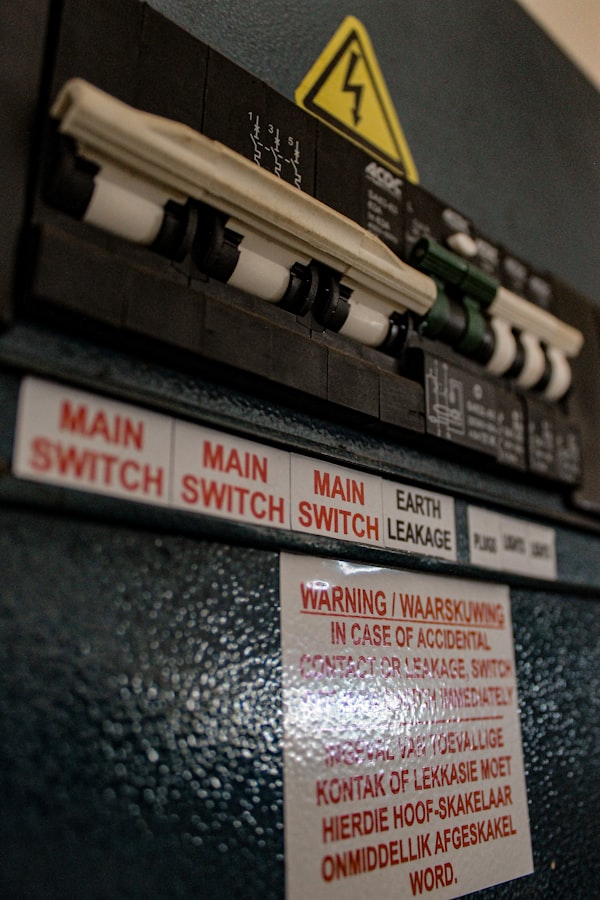
2) Inspect your main panel for winter red flags

Your electrical panel is the control center. A winter storm is a bad time to discover it’s compromised.

Quick homeowner checks (no cover removal):

  • Ensure the panel area is dry and accessible (not blocked by storage).
  • Look for rust, water stains, or streaking on the panel door.
  • Listen for sizzling, crackling, or intermittent buzzing.
  • Smell for burning plastic or “hot” odor.

Older Nashville home panel issues to watch for:

  • Frequently tripping breakers when HVAC and kitchen appliances run
  • “Double-tapped” breakers (two wires under one breaker) seen in some older remodels
  • Lack of labeled circuits (slows safe shutdown during emergencies)

Action step: Label your breakers now. During an outage or partial power event, you’ll want to shut off loads quickly.

---

3) Make sure your heat source isn’t overloading circuits

In Nashville cold snaps, many homes rely on:

  • Heat pumps with auxiliary heat strips
  • Portable space heaters
  • Electric fireplaces

Avoid these winter overload habits:

  • Plugging a space heater into a power strip
  • Running a heater and hair dryer on the same bathroom circuit
  • Running two space heaters on one bedroom circuit

Safer approach:

  • Use one space heater per outlet (no extension cords if possible)
  • Keep heaters on Level, non-combustible surfaces
  • Consider a dedicated circuit for high-draw equipment (space heaters shouldn’t be a permanent plan)

Warning sign you’re pushing it: Lights dim when the heater cycles on, or breakers trip repeatedly.

---

4) Protect sensitive electronics from storm surges

Nashville winter storms often cause “blips” that don’t feel like an outage—but they can still damage equipment.

Practical steps:

  • Put internet modem/router, TV, and home office equipment on a quality surge protector
  • Use a UPS (battery backup) for computers and networking gear if you work from home
  • Consider a whole-home surge protector installed at the main panel

What whole-home surge protection helps with:

  • Utility switching events
  • Nearby lightning (yes, it happens even in winter)
  • Large load starts (HVAC) and line disturbances

Tip for Nashville homes: If you’re in a neighborhood with frequent outages (some overhead-heavy areas in Donelson, Madison, and parts of Bellevue), whole-home surge protection is a smart “set-it-and-forget-it” upgrade.

---

5) Check outdoor outlets, covers, and exterior lighting

Freezing rain + wind can push water into poorly sealed covers.

Checklist:

  • Confirm exterior outlets have weatherproof “in-use” covers
  • Replace cracked covers and missing gaskets
  • Inspect landscape lighting transformers (keep them elevated and protected)
  • Verify exterior lights are secure—wind can loosen fixtures and expose wiring

Action step: Before the storm, unplug decorative lights and seasonal displays if they’re exposed to pooling water.

---

6) Sump pump, crawlspace, and basement power reliability

Many Nashville homes have basements or crawlspaces, and winter melt can expose drainage problems.

Do this before the storm:

  • Test the sump pump (pour water into the pit and confirm it activates)
  • Verify the pump is plugged into a properly protected outlet (often GFCI)
  • Confirm the discharge line isn’t frozen or blocked

If your sump pump trips a breaker: That’s a reliability and flooding risk. Consider a dedicated circuit and verify the pump’s amperage draw.

---

7) Generator safety: interlock or transfer switch only

If you use a portable generator during outages, the connection method matters.

Never backfeed your home by plugging a generator into a dryer outlet or other receptacle. It can:

  • Energize utility lines and endanger NES crews
  • Destroy appliances
  • Create a fire hazard

Safe options:

  • Generator interlock kit (panel-dependent and must be correctly installed)
  • Manual transfer switch
  • Whole-home standby generator with automatic transfer

Action step: If you already have a generator, schedule a pre-winter check to confirm your setup is code-compliant.

---

What to do when NES power is out (or partially out)

Understand “partial power” (one leg out)

A common storm issue is losing one leg of a 120/240V service. Symptoms:

  • Some rooms have power, others don’t
  • 240V appliances (dryer, range) stop working
  • Lights look dim or unusually bright

What to do:

1. Turn off or unplug sensitive electronics.

2. Turn off major loads (HVAC, range, dryer).

3. Check if neighbors have full power.

4. Contact NES to report the outage/partial outage.

If the issue is at the service drop, meter, or utility side, NES typically handles it. If it’s inside your equipment (meter base damage, panel issues, or weatherhead problems on the customer side), you’ll likely need a licensed electrician.

NES coordination tips (Nashville-specific)

  • Keep access clear around the meter and service equipment.
  • Don’t attempt to remove ice from the service drop or meter area.
  • If you see damage to the mast/weatherhead, call a licensed electrician; NES may require repairs and inspection before re-energizing.

---

Davidson County code and permit realities (what homeowners should know)

In Davidson County, many repairs and upgrades—especially involving service equipment, panels, and generator interconnections—can require permits and inspections.

Common winter-related projects that often require permitting:

  • Service mast/weatherhead repairs
  • Panel replacements or major panel work
  • Installing an interlock kit or transfer switch
  • Adding new circuits for sump pumps, HVAC, or dedicated heaters

Practical takeaway: If a storm damages service equipment, the fastest path back to safe power is usually: licensed electrician → permit/inspection as required → coordination with NES for reconnect.

---

Winter storm warning signs you should not ignore

If you notice any of the following, treat it as urgent:

  • Burning smell near panel, outlets, or HVAC disconnect
  • Flickering lights that worsen when appliances run
  • Crackling/buzzing from outlets, switches, or panel
  • Warm outlets or switch plates
  • Repeated breaker trips (especially with no clear cause)
  • Water near electrical equipment (basement panel, exterior outlets)

Safety step: If you suspect active electrical danger, shut off power at the main breaker (if safe to do so) and call a professional.

---

Practical storm-prep upgrades (ranked by winter impact)

Below is a quick table of improvements that specifically help during Nashville winter storms.

UpgradeWhy it helps in winterBest for Nashville homes in…

Whole-home surge protectorReduces damage from blinks/surgesAreas with frequent outages (overhead lines)
Dedicated circuit for sump pumpPrevents nuisance trips and floodingBasements/crawlspaces (East, Bellevue, Donelson)
Generator interlock/transfer switchSafe, code-compliant generator useAnyone using portable generators
Panel organization + labelingFaster shutoff and troubleshootingOlder remodels, unlabeled panels
Weatherproof in-use coversKeeps exterior receptacles saferPorches, patios, outdoor kitchens

---

Common Nashville home winter scenarios (and what to do)

Scenario A: Your breaker trips every time it gets really cold

Likely cause: HVAC auxiliary heat, space heaters, or multiple loads on one circuit.

Action:

  • Reduce simultaneous high-draw use (space heater + microwave + hair dryer)
  • If trips continue, get the circuit evaluated for load, wiring condition, and breaker health

Scenario B: After an ice storm, outlets in the garage stop working

Likely cause: A tripped GFCI (possibly upstream), moisture intrusion, or a failed device.

Action:

  • Reset the GFCI outlets (including in bathrooms/kitchen—garage circuits can be fed from unusual locations)
  • If it won’t reset, stop and call an electrician

Scenario C: Lights flicker and some appliances act “weird” during wind gusts

Likely cause: Loose service connection, damaged overhead service drop, or partial power.

Action:

  • Turn off major loads and unplug sensitive devices
  • Contact NES and schedule an electrician if service hardware is damaged on the customer side

---

“Good to have” winter electrical storm kit (homeowner-ready)

Keep these items accessible (not buried in a storage closet):

  • Flashlights/headlamps (avoid candles)
  • Fresh batteries
  • A small UPS for modem/router (if remote work is critical)
  • Phone power banks
  • A list of critical breaker locations and labeled circuits
  • Extension cords only for temporary use, heavy-duty and properly rated

---

When to call a licensed Nashville electrician before the next storm

Schedule a professional inspection or service if:

  • Your home is older and has frequent winter trips or flicker
  • You’re adding a generator connection (interlock/transfer switch)
  • You see water stains/rust on the panel or exterior meter equipment
  • Your sump pump shares a circuit with other loads
  • You’ve had storm-related surge damage in the past

Licensed electricians can spot issues homeowners can’t see—like overheating connections, loose neutrals, and incorrect breaker sizing.

---

Call Evolution Electric to winterize your home’s electrical safely

If you want your Nashville home ready for the next freeze, Evolution Electric can help with winter storm electrical inspections, surge protection, dedicated circuits, exterior outlet safety, and code-compliant generator solutions. We’re a licensed, IBEW-certified electrical company serving Nashville and surrounding Davidson County neighborhoods.

Call Evolution Electric at (615) 961 5930 to schedule a winter storm readiness check.

Share This Article

Evolution Electric Team

IBEW Certified Electricians | Licensed by State of Tennessee

With over a decade serving Nashville homeowners and businesses, our team of licensed, IBEW-certified electricians brings expert knowledge and hands-on experience to every project. We're committed to electrical safety, code compliance, and customer education.

Need Professional Electrical Help?

Evolution Electric serves Nashville and surrounding counties with licensed, IBEW-certified electricians. Get your free quote today.

Made with Emergent